Planning a corporate event is a bit like hosting a dinner party…just on a slightly larger scale. Think 200 guests instead of 10, a CEO instead of your best friend, and at least one person wondering where the coffee disappeared to. And then there’s the budget. No matter how exciting the concept, how beautiful the venue or how ambitious the vision, the budget is what brings it all to life (or quietly pulls it back). The good news? Budgeting doesn’t have to be the part where the fun stops. Done well, it’s what makes exceptional events possible.
The Budget: Not Sexy, But Very Important
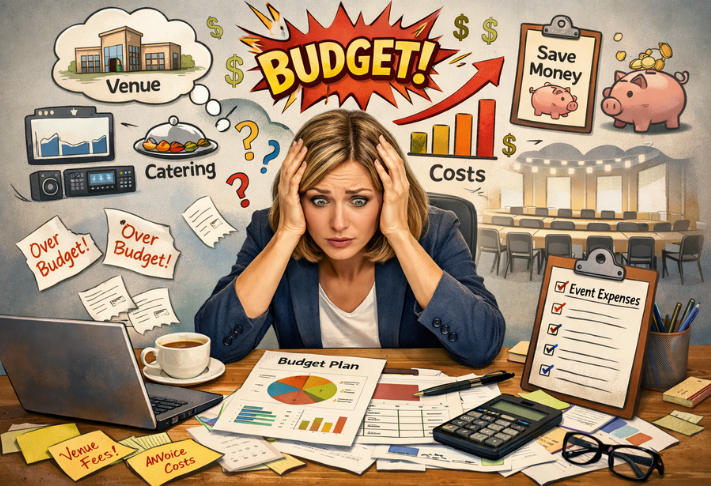
An event budget is far more than a spreadsheet filled with numbers. It represents your strategy in financial terms. Industry experts describe an event budget as a “financial roadmap” that helps planners organise expenses, control costs and measure return on investment (ROI). Without this structure in place, costs can escalate quickly, with unexpected expenses often accounting for 10–15% of the total spend. Put simply, no budget leads to surprises. And rarely the good kind.
A well-planned budget allows you to:
- Stay in control (and comfortably off the CFO’s radar)
- Allocate resources where they will have the greatest impact
- Deliver a stronger, more considered experience for your audience
- Demonstrate the value of your event once it is complete
In 2026, events are no longer viewed as once-off experiences. They are strategic investments designed to deliver measurable outcomes.
1. Define the Purpose of Your Event
Before opening a spreadsheet, take a step back and ask: What is this event meant to achieve? Is it?
- Building client relationships?
- Driving internal alignment?
- Launching a product
- Celebrating success (hello, year-end function venues in Johannesburg)?
Your goals shape your spend. ICC emphasises that budgeting should align directly with your event objectives to ensure resources are used effectively. In other words, match the spend to the purpose, don’t spend champagne money on something that only needs sparkling water.
2. Know Your Numbers (All of Them)
This is where planning becomes practical. A well-structured event budget should cover every cost category, not just the obvious ones. Overlooking details at this stage is often what leads to overspending at a later stage.Every event budget should include the following:
- Fixed Costs: These remain the same regardless of how many people attend. They typically include venue hire, AV setup, and entertainment or speakers.
- Variable Costs: These increase as your guest list grows. Catering is usually the biggest contributor, often accounting for around 33% of total costs, along with staffing and event materials.
- Hidden Costs (The Ones That Sneak Up): These are easy to miss but can quickly add up. Think transport and logistics, setup and breakdown time, printing, and those last-minute additions that somehow always appear.
- Contingency Fund: This is essential. Experts recommend setting aside 10–15% of your total budget to cover unexpected expenses.
Unplanned costs are part of every event. Planning for them upfront keeps everything running smoothly and keeps stress levels where they should be.
3. Choose an Event Space That Does the Heavy Lifting
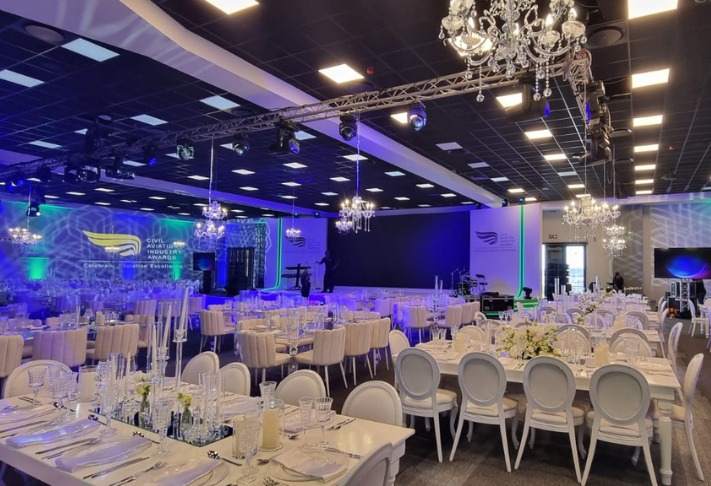
Let’s talk about one of the biggest decisions in your budget: the venue. Your venue sets the tone, shapes the experience, and quietly determines how far your budget will stretch. It influences how smoothly your event runs, how your guests feel in the room, and whether you walk away relaxed… or slightly traumatised. The right corporate event venue takes pressure off your plate. It reduces production costs, simplifies logistics and elevates the overall experience without you having to overcompensate elsewhere.A well-equipped space cuts down on AV spend. Flexible layouts mean fewer expensive redesigns. Strong infrastructure (hello, reliable Wi-Fi) removes the need for last-minute tech fixes and frantic phone calls.
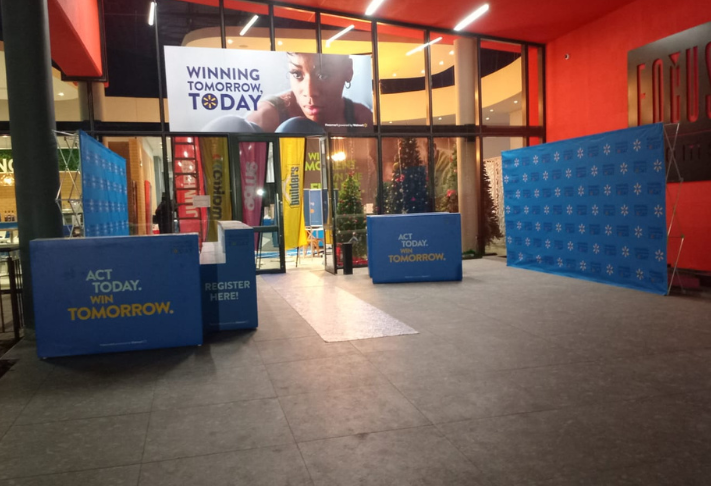
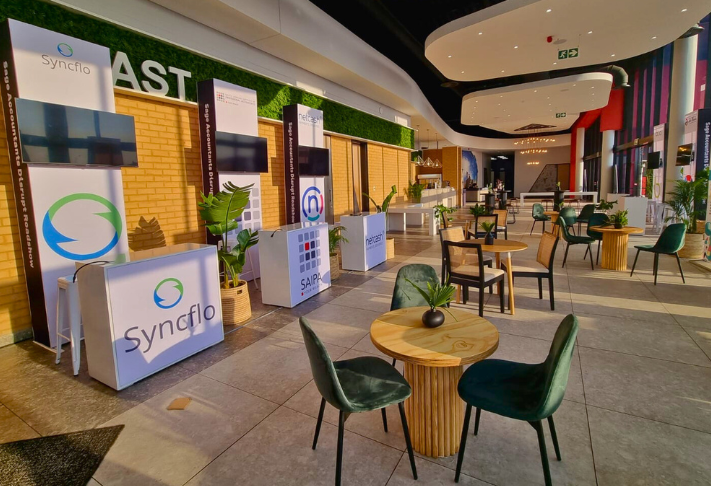
This is exactly where Focus Rooms steps in. From meeting rooms designed for focused, high-level conversations to private function venues that set the tone for more memorable occasions to training venues and exhibition spaces that flex around your needs, our spaces are built to do more than just host your event. They work with you. Whether you’re searching for “event spaces near me” or planning something far more intentional, choosing a space that’s designed to carry its weight makes all the difference. It saves money. It reduces complexity. And it keeps your stress levels exactly where they should be, nowhere near the panic zone.
4. Spend Where It Matters (Not Everywhere)
There’s a simple truth in event planning: not everything deserves your budget. The most effective planners focus on high-impact elements, the parts of the event guests will remember, talk about, and associate with your brand. Industry guidance consistently points to investing in elements that directly enhance the attendee experience. In practice, this means prioritising the things that shape how the event feels from start to finish.
That typically includes:
- The venue (yes, it’s worth repeating),
- Food and beverage,
- Technology that supports engagement,
- The overall flow and atmosphere of the event.
On the other hand, there are always a few tempting extras that quietly drain the budget without adding much value. Think branded giveaways that never leave the table, beautifully designed folders that no one opens, and anything that gets left behind at the end of the day. A simple question helps cut through the noise: Will anyone remember this tomorrow? If the answer is no, it is probably not worth the spend. Smart is about putting your budget where it creates the most impact and letting the rest go.
5. Break It Down (Per Guest, Not Panic Level)
Here’s a smarter way to budget: What are you spending per guest?
This helps you:
- Evaluate Value: You can see whether the experience you’re creating matches what you’re spending. A higher cost per guest is not a problem if it delivers a premium, memorable experience.
- Compare Options: It becomes much easier to compare venues, catering packages or event formats on a like-for-like basis. Instead of guessing which option “feels better,” you can assess what each one delivers per attendee and select the one that offers the strongest overall experience.
- Justify Decisions: When stakeholders ask questions (and they will), cost per attendee gives you a clear, logical way to explain your choices. It shows that your decisions are not based on preference but on value, experience, and return on investment.
Budgeting focuses on spending wisely, not simply spending less.
6. Track Everything
A budget needs regular check-ins and a few smart tweaks along the way; it’s not a one-off exercise, it’s something that evolves as your event comes to life. ICC recommends continuously tracking and updating your budget throughout the planning process to avoid overspending. That means:
- Updating costs as quotes come in
- Comparing estimated vs actual spend
- Keeping everyone aligned
Because nothing says “panic” like realising you’re over budget the day before the event.
7. Build for ROI (Not Just a Good Time)
Let’s talk results. In today’s corporate world, events are expected to deliver measurable outcomes, not just good vibes. Your budget should be structured to support clear objectives and tangible impact. That means your budget should support:
- Lead generation
- Relationship building
- Employee engagement
- Brand positioning
If the impact is unclear, questions will follow.
Budget Like a Pro, Deliver Like a Rockstar
Budgeting doesn’t box your event in; it gives it direction. When you know where the money is going, decisions become quicker, sharper and far less stressful. Better decisions lead to better experiences. It’s a simple (and very satisfying) chain reaction. When everything comes together properly, your event doesn’t just behave nicely on the budget sheet. It shows up, delivers, and makes you look very good in the process. Ready to plan an event that performs (and stays on budget)?
Contact us at enquiries@focusrooms.co.za | +27 87 078 2151